If you’ve played blackjack both online and at a casino table, you’ve probably noticed they feel like different games—even though the rules are identical. The core objective remains the same: beat the dealer without busting. But the experience changes dramatically depending on where you play. From how cards are shuffled to how fast hands fly by, online and traditional blackjack offer distinct advantages and limitations. This guide breaks down seven key differences: shuffling methods, betting limits, game speed, card counting viability, game variety, social interaction, and bonus structures. Understanding these distinctions isn’t about declaring one format superior—it’s about knowing what makes each unique so you can choose the style that fits your preferences and playing goals.
Shuffling & Random Number Generators: The Biggest Technical Difference
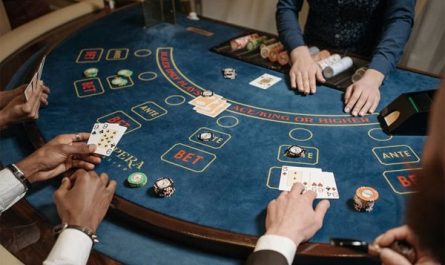
When you sit down at a physical blackjack table, the dealer shuffles a six-deck shoe and deals hands until about 50-75% of those cards are used before reshuffling. Online RNG blackjack throws that entire concept out the window. Every single hand starts with a freshly shuffled virtual deck, resetting the game completely after each round.
How RNG Blackjack Works
Random Number Generator software creates a new shuffle using complex algorithms before dealing each hand. Think of it like having a dealer who shuffles the entire shoe after every single round instead of waiting until the cut card appears. This happens instantaneously—you’ll never wait for a shuffle because it’s already done before you even click “Deal.”
This fundamental difference kills any possibility of card counting in RNG games. Since the algorithm resets after each hand, there’s no deck composition to track, no running count to maintain, and no advantage to gain from monitoring which cards have been played. The house edge stays perfectly consistent across every hand you play.
Live Dealer: The Hybrid Option
Live dealer blackjack splits the difference between traditional and RNG play. Real dealers use physical cards and shoes, streaming the action through HD video feeds from casino studios. These games follow traditional shuffling patterns, typically reshuffling after a certain penetration point just like brick-and-mortar casinos.
The penetration depth matters here. Some live dealer games shuffle after only 50% of the shoe, while others might deal deeper. This technically makes card counting possible, though casinos combat this by limiting penetration and using multiple decks. You get the authenticity of physical cards with the convenience of playing from your couch—a setup that’s driven live dealer blackjack to become the fastest-growing segment of online casino gaming.
Betting Limits & Accessibility
The financial barrier to playing blackjack varies dramatically between online and land-based venues. Online platforms have fundamentally democratized access to the game, while traditional casinos maintain higher entry points that can exclude casual players.
Online Blackjack:
- Minimum bets start at $1 or less, with some platforms offering $0.10 tables
- Maximum bets can reach $10,000+ at high-roller tables
- Players can easily switch between low and high-stakes tables without moving locations
- No pressure to tip dealers or maintain a certain betting level
Traditional Casino Blackjack:
- Strip casinos in Las Vegas typically enforce $15-$25 minimums during peak hours
- Downtown or off-Strip locations may offer $5-$10 tables, but they’re increasingly rare
- Higher minimums during weekends and busy periods
- Social pressure to bet more when seated at higher-limit tables
This accessibility gap matters for bankroll management. A budget player with $100 can enjoy 100 hands online at $1 per bet, spreading risk and maximizing entertainment time. That same $100 at a $15 minimum table provides fewer than seven hands—hardly enough to experience the game’s natural variance.
The flexibility extends beyond just minimums. Online platforms let players test strategies at micro-stakes before scaling up, while brick-and-mortar casinos force immediate commitment to their established betting thresholds. For recreational players and those learning the game, this difference isn’t trivial—it’s often the deciding factor in whether they play at all.
Game Speed & Hands Per Hour
The pace differential between online and traditional blackjack is dramatic. Online RNG blackjack deals 200-300 hands per hour when you’re playing solo, while a traditional casino table with multiple players averages just 50-70 hands per hour. That’s a four-to-six-fold acceleration that fundamentally changes the playing experience.
Why Online Plays Faster
The speed advantage comes from eliminating human elements. There’s no physical shuffling, no chip handling, no waiting for other players to make decisions, and no dealer small talk. Each hand resolves in seconds. You click to hit or stand, the cards appear instantly, and payouts register immediately. RNG systems shuffle continuously, so there’s zero downtime between hands. Even live dealer blackjack, which uses real cards and human dealers, typically manages 100-150 hands per hour—still doubling the brick-and-mortar pace.
What Speed Means for Your Bankroll
This accelerated gameplay creates faster variance swings in both directions. A $10 bettor at a traditional table risks $500-700 per hour, while the same player online exposes $2,000-3,000 hourly. Winning streaks feel exhilarating, but losing runs deplete bankrolls with startling efficiency.
The upside? Online speed offers exceptional value for strategy practice. You’ll encounter more unusual hand combinations in one hour online than in an entire evening at a casino table. The downside? Discipline becomes critical. Without careful session limits and bet sizing, the relentless pace can quickly exceed your bankroll tolerance before you realize what’s happened.
Card Counting: Possible or Pointless?
The simple truth about card counting online? If you’re playing RNG-based blackjack, you’re wasting your mental energy. Random Number Generators shuffle the deck after every single hand, making it mathematically impossible to gain an edge through counting. There’s no shoe to track, no penetration depth to exploit—just a continuous digital shuffle that resets the game state completely.
Traditional brick-and-mortar casinos are a different story. When dealers work through 50-75% of a six or eight-deck shoe before shuffling, skilled counters can absolutely track the ratio of high to low cards remaining. But here’s the catch: casinos know this. They train surveillance teams to spot counting patterns, and they’re not shy about asking suspected counters to leave or play other games. Some casinos combat it with continuous shuffle machines that eliminate the counting window entirely.
Live dealer blackjack occupies interesting middle ground. These games use real cards and physical shuffles, creating theoretical counting opportunities. The question is penetration—how deep into the shoe does the dealer go before shuffling? Many live dealer platforms shuffle earlier than traditional casinos specifically to discourage counting, often cutting off play at 50% or less of the shoe.
For most players, counting shouldn’t be your primary strategy regardless of format. Basic strategy alone reduces the house edge to around 0.5% in favorable games. Master that first before even considering the mental gymnastics of maintaining a running count across multiple decks.
Game Variety & Features: Online’s Digital Advantage
Walk into any brick-and-mortar casino and you’ll typically find three to five blackjack tables, each playing the same house rules. Log into an online casino and you’re suddenly choosing between 20+ variations, from Classic Blackjack to Spanish 21, European Blackjack to Blackjack Switch.
Variant Selection
Physical casinos face a hard constraint: floor space costs money. That single blackjack pit might represent their entire blackjack offering. Online platforms sidestep this limitation entirely, hosting multiple variants simultaneously without additional overhead. You can play Atlantic City Blackjack (dealer stands on soft 17) at one table, then switch to European Blackjack (no hole card) with a single click. Some players keep multiple variants open in different browser tabs, comparing rules and finding the best odds in real-time.
Digital-Only Features
Beyond sheer variety, online blackjack introduces convenience features that would be impossible at a physical table:
- Multi-hand play: Deal yourself up to five hands simultaneously, multiplying action without waiting for seats to open
- Auto-play functionality: Set parameters and let the software execute basic strategy automatically
- Bet behind options: Join full tables by betting on other players’ hands, eliminating wait times
- Strategy chart access: Keep a perfect basic strategy card open on your screen without dealers or pit bosses giving you the stink-eye
- Hand history tracking: Review every decision you made during your session to identify mistakes
The digital format transforms blackjack from a purely social activity into something more customizable. You control the pace, the stakes, and how much information you want displayed while you play.
Social Experience & Atmosphere
The sensory overload of a casino floor—the chatter around the table, the dealer’s banter, the collective groan when they flip a face card—creates an atmosphere that digital algorithms can’t replicate. Traditional blackjack thrives on social energy. You’re surrounded by fellow players making split-second decisions, a dealer who might crack jokes or offer subtle tells through body language, and the organic rhythm of human interaction that makes each session feel alive.
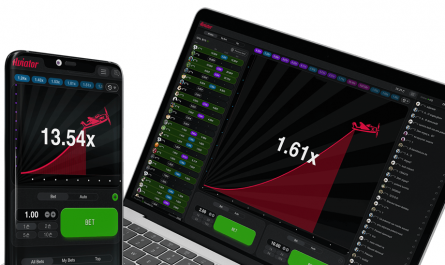
RNG-based online blackjack strips away this social layer entirely. You’re clicking buttons in silence, facing a digital interface that deals cards with mechanical precision. There’s no dealer to read, no players to observe, and no ambient casino noise. For some players, this solitary experience is exactly what they want—pure focus without distractions, perfect for testing strategies or grinding through hands at 200+ per hour.
Live dealer blackjack attempts to split the difference. Real dealers work from studios or casino floors, visible through HD streams, and you can chat with them using text functions. Some platforms even enable player-to-player communication. It’s not quite the same as sitting shoulder-to-shoulder with other gamblers, but it adds a human element that pure RNG games lack. The dealer might acknowledge your username, react to big wins, or maintain the conversational flow that makes blackjack feel like a social game rather than a math exercise.
Your ideal format depends entirely on whether you’re seeking entertainment with others or concentrated play on your own terms.
Bonuses, House Edge & Transparency
The financial landscape of online blackjack looks radically different from its brick-and-mortar counterpart, particularly when it comes to promotions and player information. Online casinos compete aggressively for players through bonus structures that simply don’t exist on the casino floor.
Bonus Opportunities
Online platforms routinely offer welcome bonuses, reload promotions, and loyalty rewards specifically for blackjack players. You might see offers like “100% match up to $500” or cashback programs that return a percentage of losses. The catch? Wagering requirements typically land between 35x-50x for table games, significantly higher than slots. If you claim a $100 bonus with 40x requirements, you’ll need to wager $4,000 before withdrawing any winnings.
Traditional casinos take a different approach with comp programs. You’ll earn points based on your average bet and time at the table, redeemable for meals, hotel stays, or show tickets. No wagering requirements, but the value accumulates more slowly.
Key differences in bonus structures:
- Online: Instant deposit bonuses, faster loyalty tier progression, game-specific promotions
- Traditional: Comp points, free play credits, VIP host services for high rollers
- Clearing requirements: Online bonuses come with strict playthrough terms; casino comps have no strings attached
House Edge & RTP
The actual cost of playing remains remarkably similar across both formats. House edge typically ranges from 0.5% to 2% depending on specific rule variations, not location. A 6:5 blackjack game carries the same mathematical disadvantage whether you’re playing at The Venetian or on your laptop.
The transparency difference matters more. Online casinos display Return to Player (RTP) percentages openly—you’ll see “RTP: 99.5%” right in the game information. Physical casinos rarely advertise these numbers, leaving players to deduce the house edge from table rules. Different regulatory bodies also create varying oversight: online platforms answer to jurisdictions like Malta Gaming Authority or UK Gambling Commission, while land-based casinos operate under state gaming boards with different standards and audit frequencies.
Choosing Your Blackjack Experience
Online and traditional blackjack deliver the same core game wrapped in fundamentally different experiences. Online platforms excel in accessibility, offering micro-stakes tables that welcome budget players, lightning-fast gameplay for strategy practice, and digital conveniences like multi-hand play and instant variant switching. Traditional casinos counter with authentic atmosphere, genuine social interaction, and the irreplaceable energy of a packed casino floor. Live dealer games bridge these worlds, combining real cards and human dealers with online convenience—making them an increasingly popular middle ground.
Neither format is inherently superior. Your ideal choice depends on what you value: the solitary focus and customization of RNG blackjack, the social buzz of a brick-and-mortar table, or the hybrid appeal of live dealer streams. If you’re new to blackjack, consider starting with low-stakes online play to master basic strategy without the pressure of a physical table. Once you’re comfortable with decision-making, test your skills on the casino floor or explore live dealer platforms for the best of both worlds. The beauty of modern blackjack is that you don’t have to choose just one—sample both formats and discover which experience resonates with your playing style.