
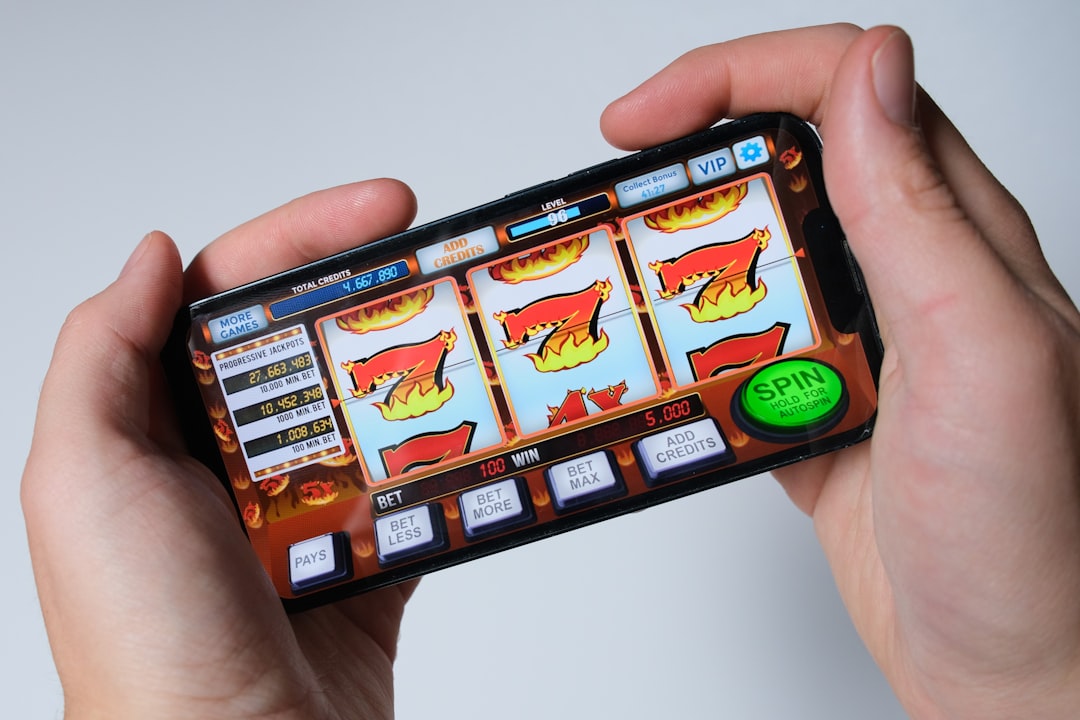
Free casino games are projected to hit $8.5 billion by 2025, and this explosive growth isn’t just a pandemic blip—it’s a fundamental shift in how millions experience gambling entertainment. Without risking a single dollar, players now access Vegas-quality slots, poker, and table games on their phones, learning strategies and chasing jackpots in a completely risk-free environment. The surge is driven by mobile accessibility, gamification that hooks players without money, and a younger demographic that prefers entertainment over financial stakes. This isn’t your grandparents’ casino culture—it’s a digital-first revolution that’s redefining what gambling entertainment can be.
The Market Boom: Free Casino Games by the Numbers
The free casino gaming industry has transformed from a niche curiosity into a multi-billion dollar juggernaut. In 2022, the global social casino gaming market reached a valuation of $5.83 billion, and analysts project it will surge to $8.5 billion by 2025. That’s not just steady growth—it’s a sustained 11.8% compound annual growth rate from 2023 through 2030, signaling that free casino games have cemented their place in mainstream digital entertainment.
The pandemic acted as rocket fuel for this trend. When lockdowns forced millions indoors in 2020, free casino games saw user numbers explode by 40% within a single year. Players seeking low-stakes entertainment discovered they could experience the thrill of slots, poker, and blackjack without opening their wallets or leaving their homes.
Mobile platforms have become the undisputed king of this space. Today, mobile gaming generates a staggering 85% of total social casino revenue, with desktop and web-based games accounting for just 15%. This mobile dominance makes sense—free casino apps fit perfectly into spare moments throughout the day, whether you’re commuting, waiting in line, or relaxing after work.
The numbers tell a clear story: free casino games aren’t a passing fad. They’ve established a permanent foothold in the gaming ecosystem, attracting millions of players who want casino-style entertainment without financial pressure. The market’s trajectory suggests this growth will continue as developers refine their offerings and reach new audiences worldwide.
Risk-Free Entertainment: The Main Draw
Nearly three-quarters of free casino game players—73% according to recent player motivation studies—say the same thing: they’re here for the fun, not the financial gamble. This fundamental shift explains why millions are spinning slots and playing blackjack without ever putting actual money on the line.
The appeal is straightforward. Free casino games deliver the visual excitement, sound effects, and gameplay mechanics of their real-money counterparts without the gut-wrenching possibility of losing your rent payment. Players can chase that big jackpot animation or test their poker face against AI opponents while their bank account remains completely untouched. For many, this removes the single biggest barrier to casino entertainment: the stress of monetary loss.
Learning Without Losing
Free games have become the training ground for anyone curious about casino gaming. New players can:
- Master complex game rules at their own pace without paying for mistakes
- Test betting strategies on blackjack or roulette without risking capital
- Learn which slot features trigger bonuses and how progressive systems work
- Build confidence before deciding whether real-money play interests them
This educational aspect matters more than casual observers might think. Someone who’s never played Texas Hold’em can spend weeks learning hand rankings, position strategy, and betting patterns—all without losing a dime to more experienced players.
Legal Gray Areas Work in Players’ Favor
Here’s where things get interesting from a regulatory standpoint. Because players cannot win real money in free casino games, these platforms sidestep gambling regulations in most jurisdictions. They’re classified as entertainment software rather than gambling operations, which means they’re available in regions where real-money online casinos face restrictions or outright bans.
This legal distinction has opened casino-style entertainment to millions who otherwise wouldn’t have access—or wouldn’t feel comfortable crossing into regulated gambling territory.
Mobile Gaming: Playing Anytime, Anywhere
Your smartphone has become the world’s most popular casino floor, and the numbers prove it. Over 60% of social casino players now access their favorite slots and table games exclusively through mobile devices, fundamentally changing how people engage with casino entertainment.
The shift to mobile isn’t just about convenience—it’s about capturing those perfect micro-moments throughout the day. That 12-15 minute average session length for mobile casino games aligns perfectly with modern life rhythms. Players spin reels during their morning commute, hit a quick blackjack hand during lunch breaks, or unwind with a few rounds of video poker while waiting in line. The gameplay adapts to the player’s schedule, not the other way around.
Mobile social casino games now generate a staggering 85% of total social casino revenue, dwarfing the 15% contribution from desktop and web-based platforms. This isn’t surprising when you consider that most people keep their phones within arm’s reach 24/7, while desktop gaming requires being at a specific location at a specific time.
The technology behind mobile casino games has evolved to match player expectations. Touch-screen interfaces make spinning slots feel more tactile than clicking a mouse. Games load in seconds over 5G connections. Progress syncs across devices seamlessly, so starting a session on your phone and finishing on a tablet feels natural.
This accessibility has democratized casino gaming in ways traditional venues never could. No need to plan a Vegas trip or find a local casino. No dress codes, no travel time, no parking fees. Just pull out your phone and you’re instantly transported to a full-featured casino experience, whether you’re on a subway platform in New York or relaxing at home in suburban Kansas.
Gamification: Keeping Players Hooked Without Money
Free casino games have cracked the code on player engagement without requiring anyone to spend a dime. The secret lies in gamification—the strategic use of game design elements that tap into our natural desire for achievement, competition, and progress. Instead of chasing real money, players chase levels, badges, and bragging rights.
Modern free casino apps deploy a full arsenal of psychological hooks:
- Daily bonuses that reward players for logging in consecutively
- Achievement systems that unlock special badges for completing challenges
- Leaderboards that display top performers and create competitive urgency
- Progression mechanics where players level up their profiles and unlock new games
- Streak counters that make players return to maintain their winning runs
These features work because they trigger the same dopamine responses as actual gambling, but without financial stakes. Players feel genuine accomplishment when they climb a leaderboard or complete a challenge collection.
Social Competition
The most addictive free casino games don’t let you play alone. They integrate social features that transform solitary slot spinning into a community experience. Players can join multiplayer tournaments, send and receive gifts from friends, and participate in clan-based challenges. Some apps even display friends’ recent wins in real-time feeds, creating FOMO (fear of missing out) that drives engagement higher than any jackpot could.
The Freemium Model Explained
Here’s where the business model gets interesting. Free casino games operate on a freemium structure: everyone plays for free, but premium options exist for those who want them. Players can purchase virtual coins, power-ups, or exclusive game access—but they never have to.
The math behind this model is striking. Only 3-5% of players ever make a purchase, yet this tiny fraction generates roughly 95% of total revenue. These “whales,” as the industry calls them, spend hundreds or even thousands on virtual currency, while the vast majority enjoy unlimited entertainment at zero cost. The free players aren’t just freeloaders—they populate the games, fill tournament brackets, and create the social ecosystem that keeps paying players engaged.
A Younger, Digital-First Audience
The demographic profile of free casino game players looks radically different from the crowds at traditional brick-and-mortar casinos. Players aged 18-34 now represent the largest user base for free casino platforms, a stark contrast to the predominantly 50+ demographic that fills physical casino floors. This generational shift reflects more than just age preferences—it signals a fundamental change in how entertainment is consumed.
Digital natives who grew up with smartphones and app stores find the freemium model instinctive. They’ve already spent years playing Candy Crush, Fortnite, and countless other games where basic access is free but premium features cost real money. Free casino games simply apply this familiar framework to slots, poker, and blackjack. There’s no learning curve to understand the business model because it’s the same structure that powers half the apps on their phones.
The barrier to entry couldn’t be lower. No dress code, no minimum bets, no intimidating casino floor to navigate. A 22-year-old can download a slots app during their lunch break and be spinning reels within 30 seconds. Compare that to planning a casino trip, budgeting gambling money, and walking into an unfamiliar environment where every game seems designed for people who already know what they’re doing.
This younger audience also values flexibility. They want entertainment on demand—five minutes while waiting for coffee or an hour on the couch. Free casino games deliver exactly that, fitting seamlessly into the fragmented attention patterns of mobile-first lifestyles. Traditional casinos require commitment; free casino apps require only a tap.
The Industry Investment: Big Developers Go Free-to-Play
Industry giants have placed massive bets on free-to-play casino games, treating them as essential business infrastructure rather than experimental side projects. IGT, Scientific Games, and Playtika have collectively invested hundreds of millions into developing free versions of their most popular slot titles, recognizing that today’s free player could become tomorrow’s high-value customer.
The Marketing Pipeline
The strategy follows a proven conversion funnel. Players discover a free slot game through app stores or social media, spend weeks or months enjoying risk-free gameplay, then encounter advertising for the real-money version where they can win actual cash. This pipeline works surprisingly well. Industry data shows that 15-20% of free casino game players eventually transition to real-money gambling platforms, making free games one of the most effective customer acquisition tools in the business.
Free slots dominate this landscape, representing 68% of all free casino games available. The reason is straightforward: slot mechanics translate perfectly to mobile screens, require minimal learning curve, and offer the same visual excitement without wagering requirements. Developers create pixel-perfect replicas of their Vegas floor games, complete with identical math models and bonus features, differing only in the currency used.
Revenue Model for Developers
The financial model operates on two tracks. Free games generate direct revenue through in-app purchases of virtual coins and boosters, with some titles earning millions monthly from players who never intend to gamble for real money. Simultaneously, these games serve as perpetual marketing campaigns, building brand recognition and funneling motivated players toward licensed casino partners.
This dual-purpose approach explains why companies continue expanding their free game portfolios even as development costs rise. The social casino gaming market reached $5.83 billion in 2022, validating the business case for treating free-to-play not as a giveaway, but as a sophisticated growth engine that pays for itself multiple times over.
What This Means for Players
Free casino games can transform how you experience slots, poker, and table games, but only if you approach them with the right mindset. Here’s how to maximize their value without falling into common traps:
Smart Ways to Use Free Casino Games
- Treat them as a training ground, not a money-maker. Free games excel at teaching you blackjack basic strategy, slot bonus features, or poker hand rankings without risking actual cash. Spend time mastering game mechanics before considering real-money play.
- Set boundaries on in-app purchases before you start. The freemium model thrives on impulse buys for virtual coins or power-ups. Decide in advance whether you’ll spend anything, and if so, establish a strict monthly limit (think $10-20, not hundreds).
- Embrace the social features without the financial stress. Many free casino apps offer leaderboards, team challenges, and virtual tournaments. These create genuine entertainment value and competitive fun without the anxiety of losing real money.
- Recognize when free becomes not-so-free. If you’re regularly purchasing virtual currency or feeling pressure to “keep up” with other players through spending, step back. The game is exploiting purchase psychology rather than providing pure entertainment.
- Use free games to explore variety. Try game types you’d never risk money on—live dealer simulations, progressive slots, or obscure poker variants. Free platforms let you discover what genuinely entertains you.
The bottom line: Free casino games work best as legitimate entertainment and skill-building tools. They’re not practice for getting rich, nor should they become a hidden expense through constant microtransactions. Play for fun, learn the mechanics, and keep your wallet closed unless you’ve consciously budgeted for it.
The Future of Casino Entertainment
The rise of free casino games represents more than a trend—it’s a fundamental reimagining of gambling entertainment. The convergence of massive market growth (from $5.83 billion to a projected $8.5 billion by 2025), mobile-first accessibility, risk-free gameplay, sophisticated gamification, and shifting demographics has created a new category of digital fun that prioritizes social connection and skill development over monetary stakes.
This shift matters because it’s democratizing casino-style entertainment for audiences who might never set foot in a traditional casino. Younger players, risk-averse enthusiasts, and curious newcomers now have legitimate access to poker strategy, slot mechanics, and table game tactics without financial pressure or geographic limitations.
Whether you’re practicing blackjack basic strategy before a Vegas trip, killing time during your commute, or simply enjoying the thrill of a jackpot animation without the sting of real losses, free casino games have earned their place in the entertainment ecosystem. The industry will continue evolving—expect better graphics, more social features, and increasingly sophisticated gamification—but the core appeal remains constant: all the excitement of casino gaming, none of the financial risk. That’s a formula that’s here to stay.